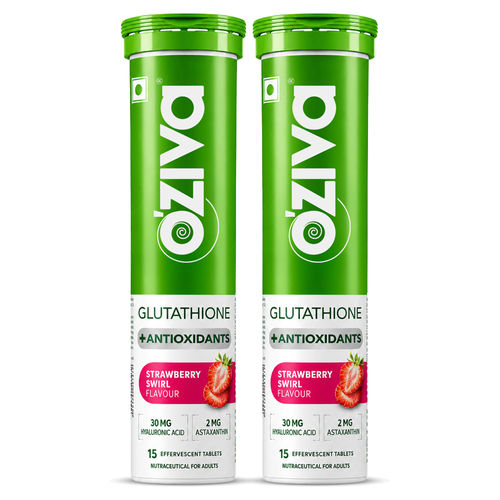
Its three amino acids enable it to act on: Cells: Protection against free radicals, DNA synthesis, and repair
According to Wang, based on significant differences in the pathophysiology and biochemistry of brain tissues, it is possible to divide HIE into three phases, all of which have apoptosis or necrosis of nerve cells as the final outcome of brain damage 135,136
GSH/GSSG is a reliable indicator of cellular redox status, and a chronic reduction in GSH/GSSG reflects a reduced antioxidant capacity and increased vulnerability to oxidative damage
Regulatory T cells have also been, in the past, referred to as suppressor T cells because of their role in actually attenuating or reducing the inflammatory response
This line of inquiry has been extended to compound-resistant cases, with speculation that immune modulation may underlie observed differences