Its mechanism of action has been attributed to the suppression of proteolytic bacteria, by favoring an increase in acidophilic bacteria (e.g., Lactobacillus) and ammonia ion uptake, thanks to the acidification of the content of the colon (the increase in bowel movement rhythm and osmotic effect due to reduced pH) and bacterial nitrogen metabolism alteration, stimulating the use of ammonia by those bacteria for protein synthesis.47 All those mechanisms explain its efficacy.48,49 A series of randomized clinical trials (RCTs),5053 as well as observational studies, have shown the benefit of lactulose compared with the absence of therapy, albeit there are no truly double-blind studies, given that it is extremely difficult to blind the laxative effect and the typical sweet taste of lactulose
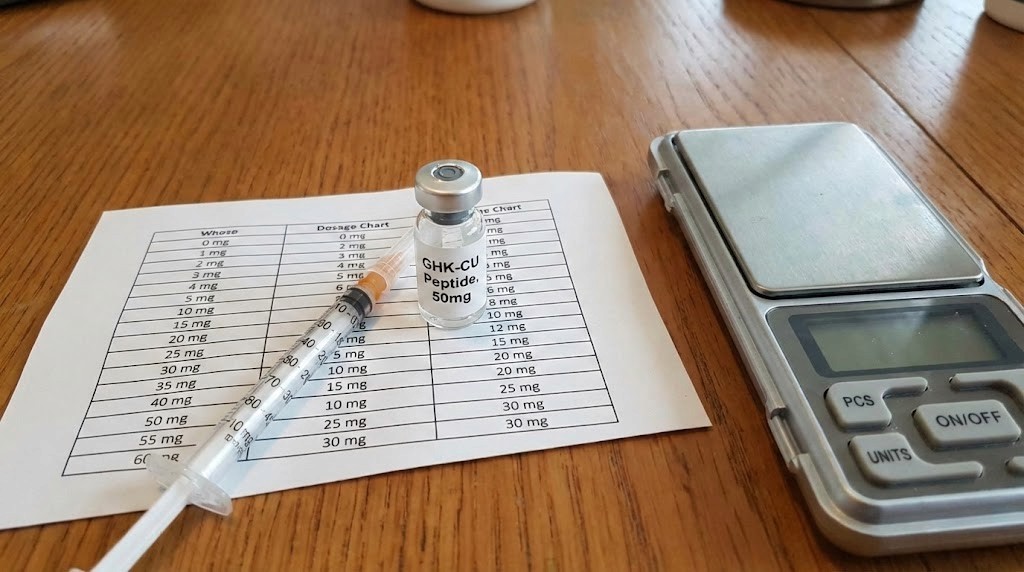
The spelling variants ghkcu, ghk-cu, ghk cu, and ghkcu peptide found in search data all refer to this same compound
CrossRef Risk stratification for hepatocellular carcinoma in metabolic dysfunction-associated steatotic liver disease: Editorial on High Steatosis-Associated Fibrosis Estimator scores predict hepatocellular carcinoma in viral and non-viral hepatitis and metabolic Ho Soo Chun, Minjong Lee Clinical and Molecular Hepatology .2026
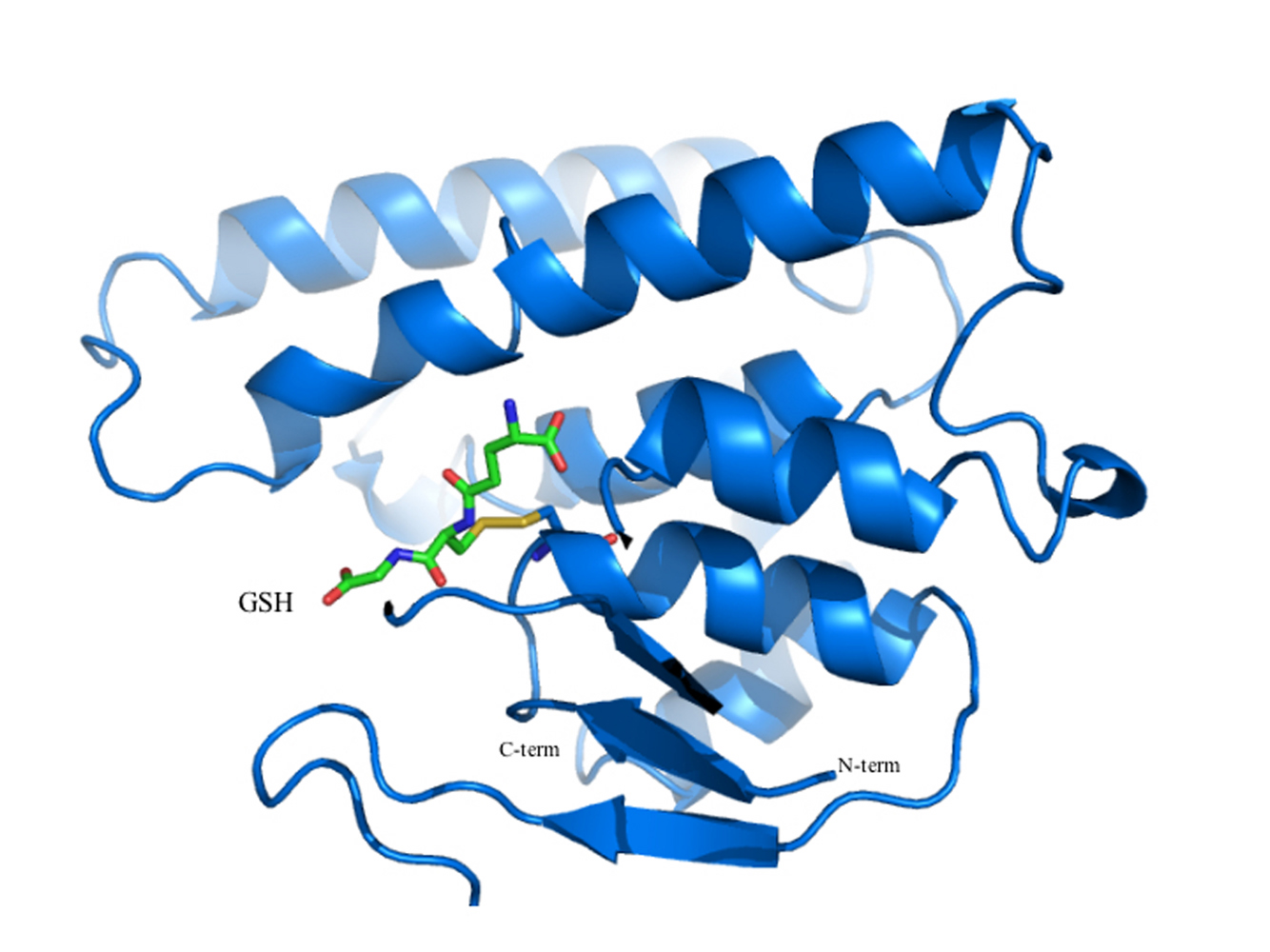
Putting money into glutathione treatment doesn't just help with looks
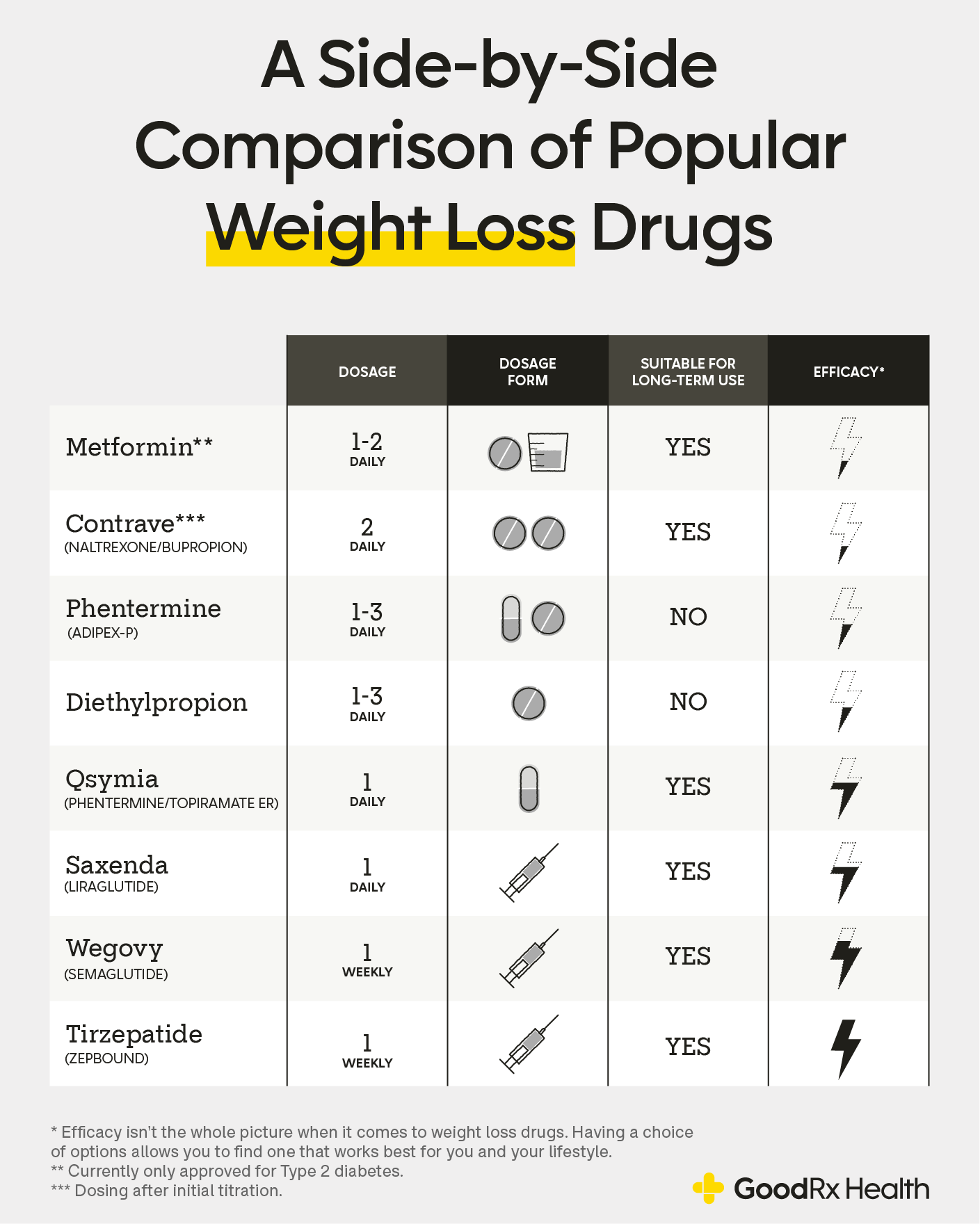
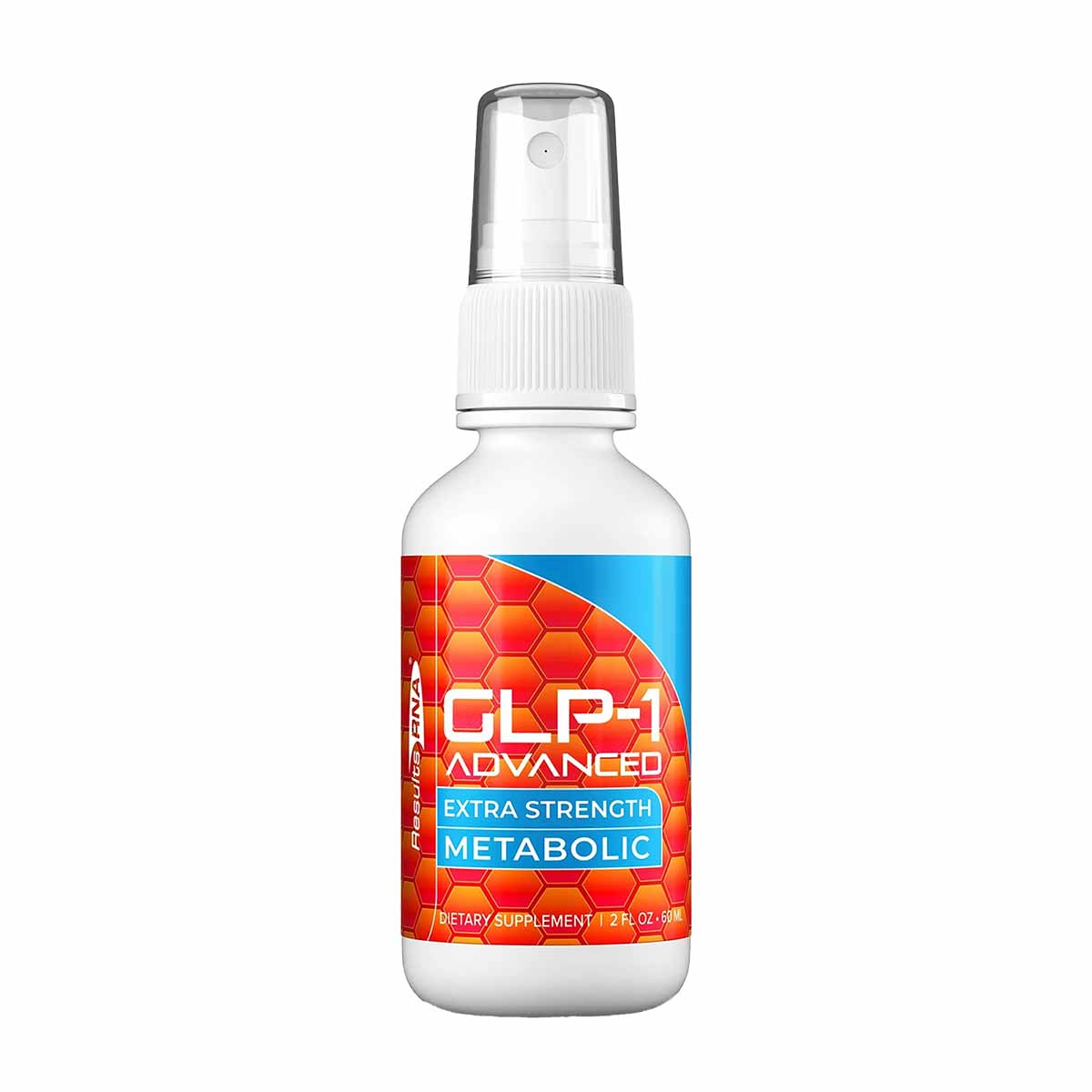
Many people are frustrated when it comes to weight management