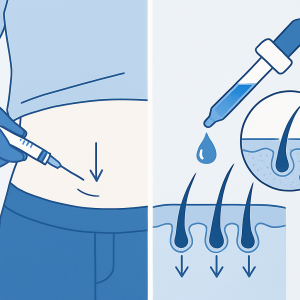
How a peptide is delivered affects more than just absorption: Systemic exposure : How much of the peptide actually enters circulation
This is part of why peptide-focused vendors emphasize per-puncture aseptic technique and dedicated needles per draw direction
Most Common Adverse Events Key Observations: Gastrointestinal adverse events are dose-dependent and most pronounced during dose escalation Symptoms typically peak within the first 4-8 weeks and diminish with continued treatment as tolerance develops Slow titration (4-week intervals) significantly reduces the incidence and severity of GI events Most adverse events classified as mild to moderate in severity [9] Discontinuation Rates 7.3% Placebo discontinuation rate [9] 15.8% Cagrilintide 2.4 mg (optimal dose) [9] 24.5% Cagrilintide 4.5 mg (high dose) [9] The majority of discontinuations due to adverse events occurred during the titration phase, with GI symptoms (nausea, vomiting) being the primary reasons
Final internal handling, preparation, storage logs, and acceptance procedures should always follow the receiving institutions own SOPs, quality systems, and compliance standards
Headaches and Dizziness: These effects can occur, particularly during the initial phase of therapy













.png)


