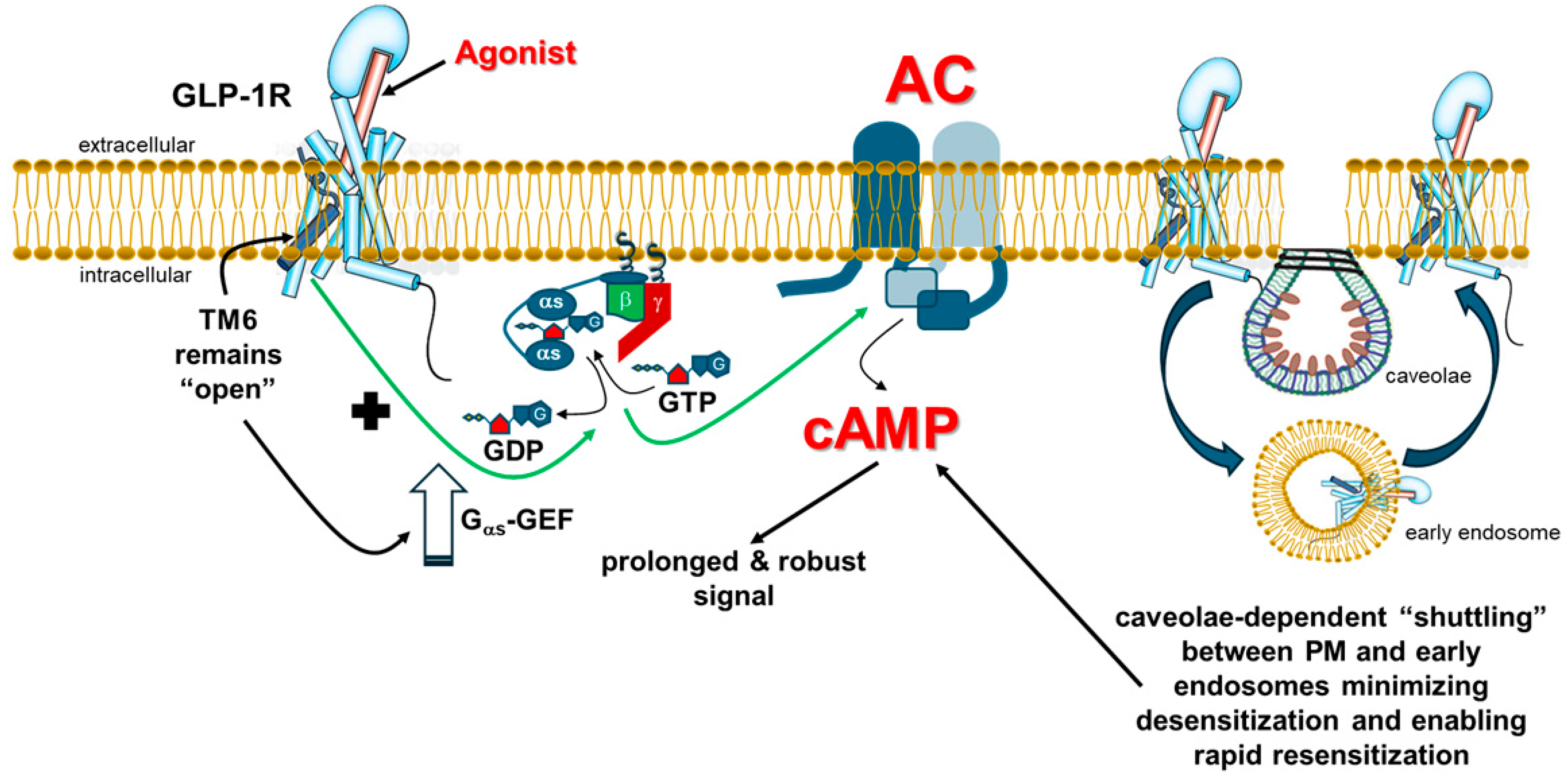
The overexpression of Parkin in cortical neurons has been demonstrated to increase the levels of PGC-1 and mtDNA copy number (Zheng et al., 2017)
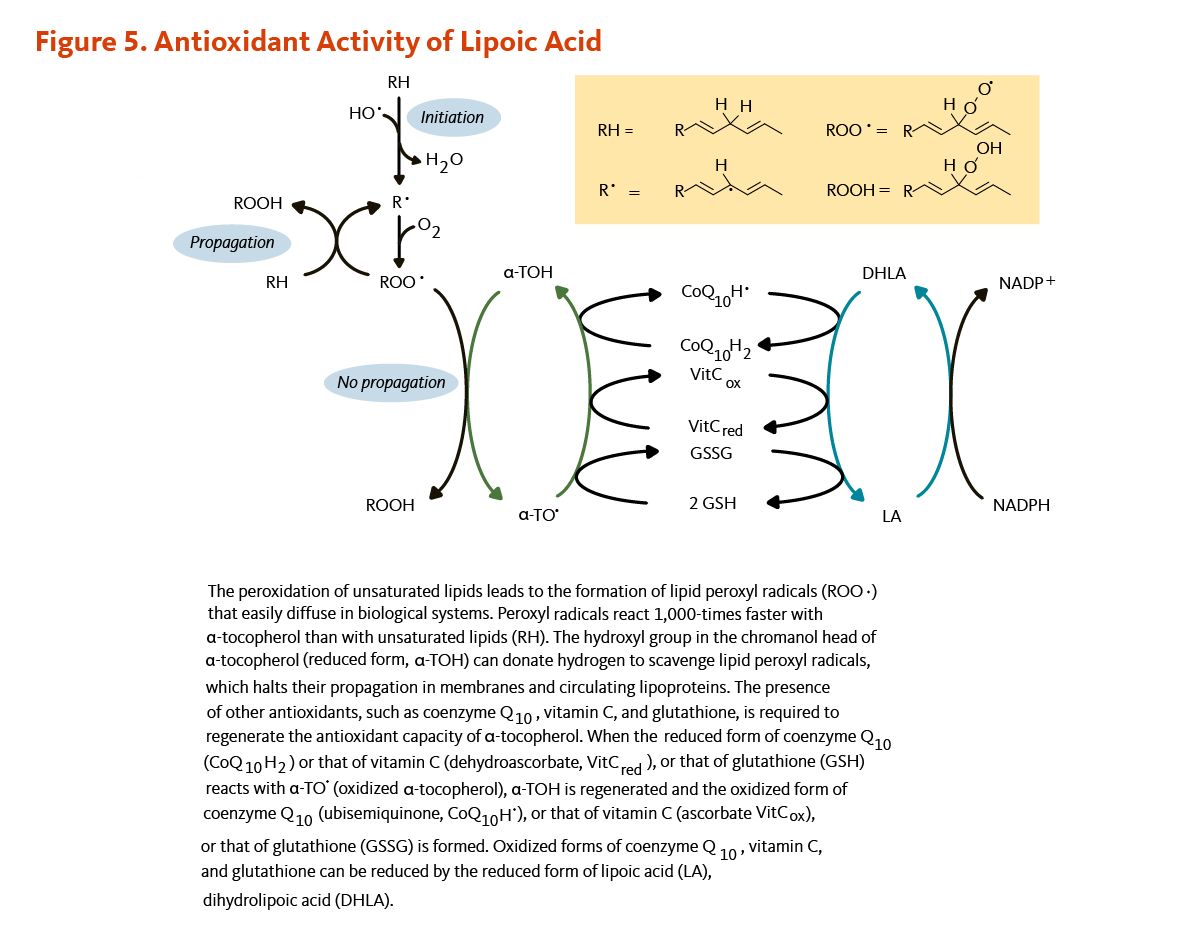
(Research Context) Based on published research and in-vitro studies, Epithalon has been examined in relation to: Telomerase activation Epithalon has been investigated for its potential role in stimulating telomerase, the enzyme associated with telomere maintenance and DNA replication fidelity Telomere dynamics Research has explored how Epithalon may influence telomere length in ageing cell models Cellular senescence Studies have examined Epithalon in the context of slowing markers of cellular ageing Gene expression regulation Laboratory investigations have assessed its influence on specific gene-regulated processes related to ageing mechanisms Oxidative stress Some studies have examined Epithalons behaviour in oxidative stress models Mitochondrial function Research has explored its relevance within mitochondrial health pathways Circadian rhythm regulation Epithalon has also been studied in relation to melatonin synthesis and pineal gland activity in animal models What Do Studies Say About Epithalon Peptide

Integr Med Res 13(3):101071 Jacob C, Lindeque J, Klein A, Ivory C, Heuss S, Peter MK (2023) Assessing the quality and impact of eHealth tools: systematic literature review and narrative synthesis
Aging-associated vascular phenotype in mutant mice with low levels of BubR1
Kligler, B., & Chaudhary, S