A variety of factors can put someone at risk for a nutrient deficiency, including: Inadequate diet Increased nutrient demands due to pregnancy, breastfeeding, and menstruation Decreased nutrient absorption from GI conditions like celiac and Crohn's disease Genetic mutations (like the MTHFR polymorphism) Lower bioavailability of some nutrients (e.g., zinc and iron) from plant versus animal sources Decreased synthesis of vitamin D from sunlight among individuals with dark-colored skin Common medications that impact nutrient absorption, metabolism, and excretion Aging, which can trigger changes (such as decreased stomach acid) that decrease vitamin D and B12 absorption Now let's explore seven common nutrient deficiencies that can impact metabolic health and the blood tests that check for these deficiencies
Promoting angiogenesis and cellular repair, it helps muscles and joints withstand high physical demands, improving endurance, resilience, and overall performance while supporting a healthy, balanced recovery process
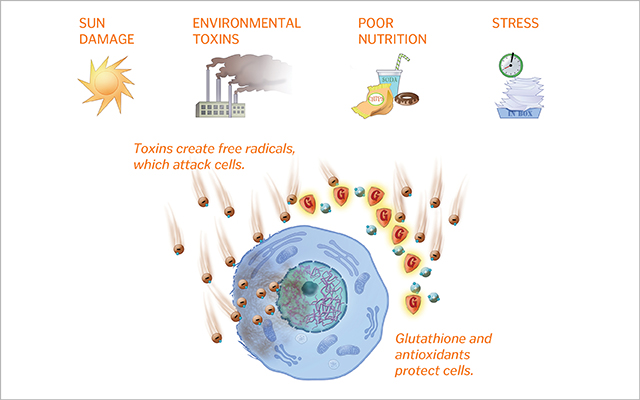
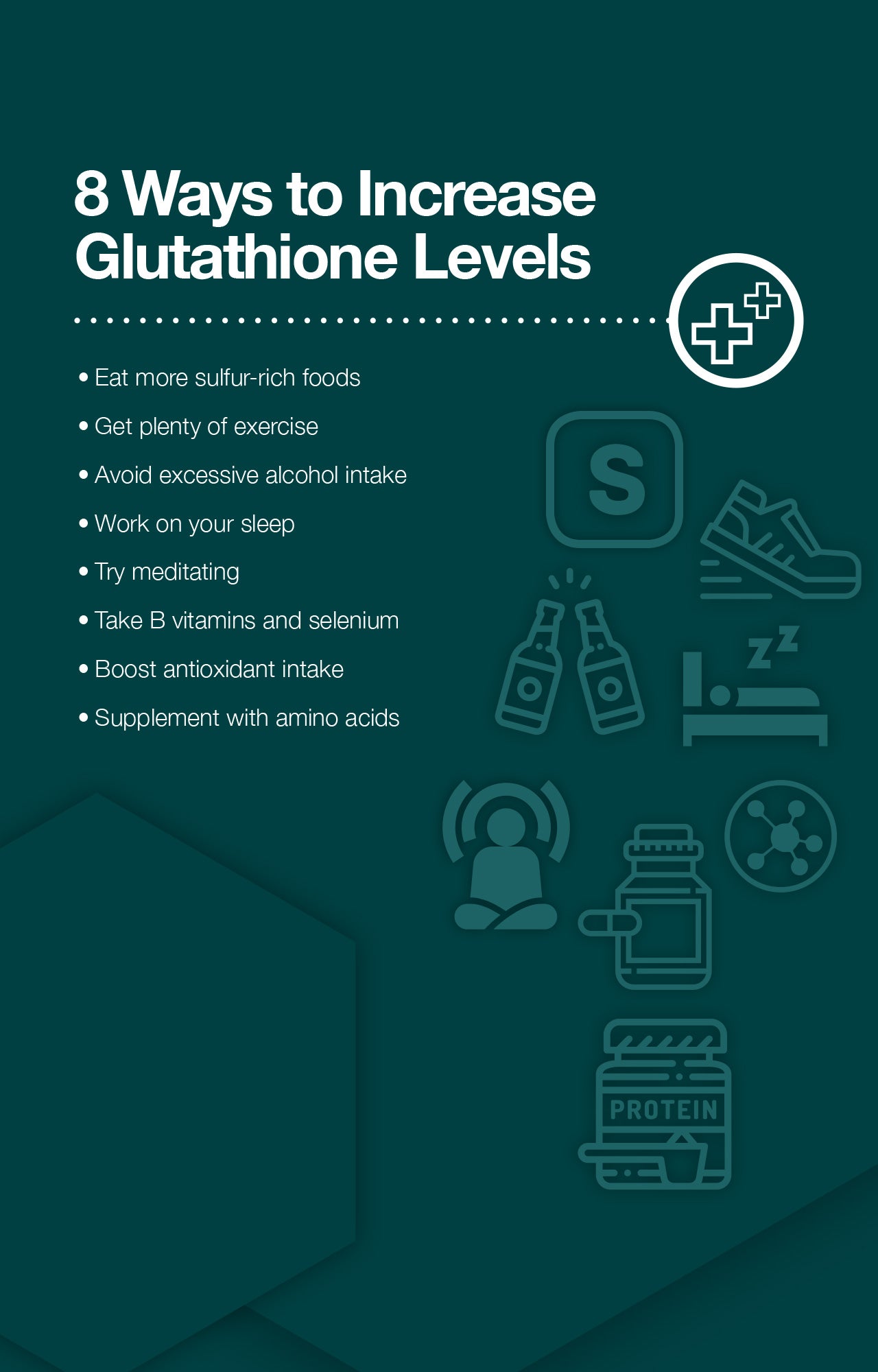
But studies are finding that exposure to naturally occurring toxic compounds known as mycotoxins can actually alter your cells ability to adequately form glutathione
Daily Avocado Serving Size These guidelines help you get the most thyroid health benefits while keeping your diet balanced: Portion Size : Eat to 1 whole avocado daily [50] Timing : Add avocado to main meals for better nutrient absorption Preparation : Slice fresh for salads Mash for spreads Blend into smoothies Studies show people who eat avocados regularly tend to maintain healthier body weight and BMI levels [50]
Research by Kawas et al